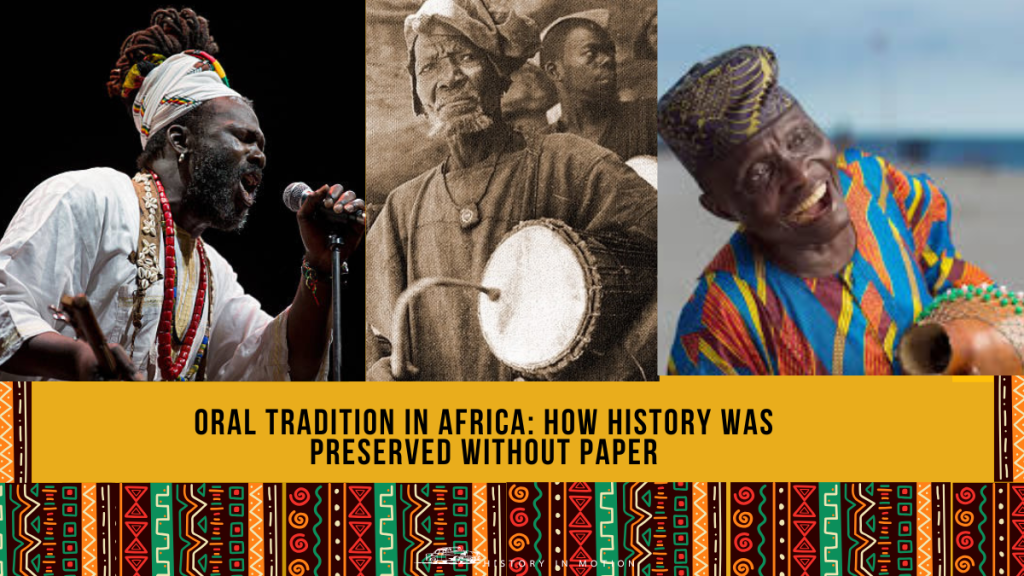
Before books were bound and libraries built, Africa’s history was alive, spoken, sung, and remembered.
It travelled through voices, across firesides, in marketplaces and moonlit gatherings.
It lived not on pages, but in people.
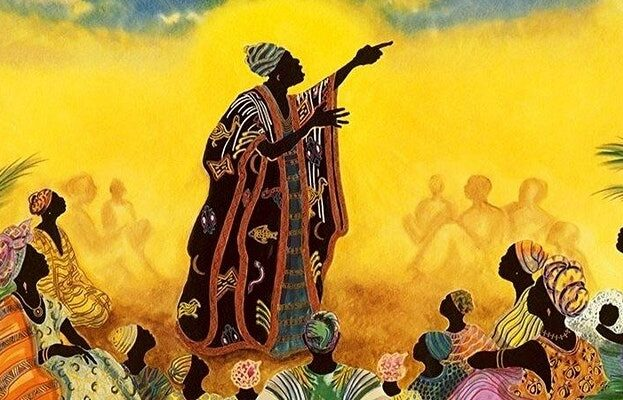
The Roots of Oral Tradition
Long before colonial record-keeping and the written word, Africa had already developed one of the most sophisticated systems of historical preservation: oral tradition.
In many African societies, history was not something you read, it was something you heard.
Families passed down stories that carried the essence of their lineage.
Communities used folktales to teach morality, courage, and wisdom.
Through words, rhythm, and memory, entire civilizations remembered who they were.
This oral system was not random, it was structured.
Griots in West Africa, for instance, served as historians, poets, and genealogists.
They could recite centuries of royal lineage, victories, and treaties word for word.
Their skill wasn’t just storytelling; it was knowledge preservation, perfected over generations.
The Keepers of Memory
Across Africa, every region had its own guardians of history.
In the Mande Empire, griots (also called jeliw) were custodians of oral archives walking historians who ensured that kings, warriors, and ancestors were never forgotten.
Among the Yoruba, Arokin (court historians) documented royal events through chants, songs, and praise poetry.
In Ethiopia, priests preserved stories through sacred recitations and songs that blended faith and heritage.
These voices were not simply narrating tales, they were ensuring continuity.
Each generation inherited not just land or name, but memory.
Wisdom in Words
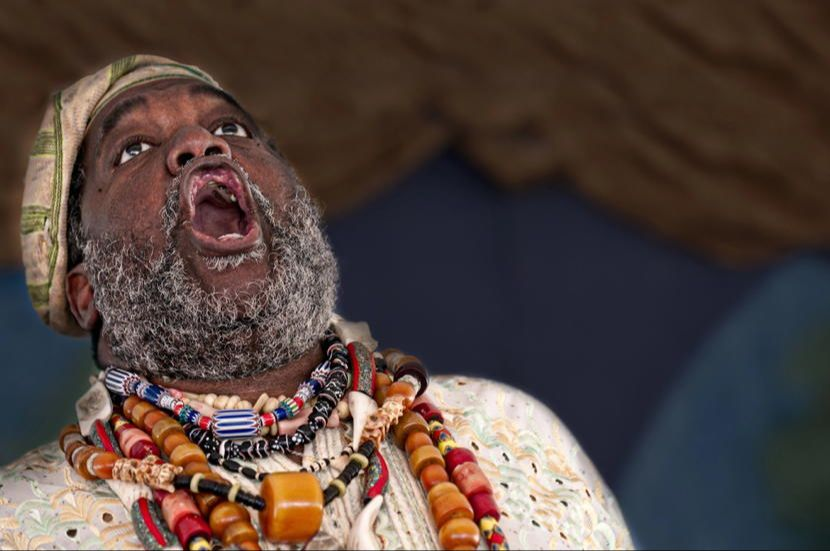
Through oral tradition, Africans learned values long before literacy spread.
Proverbs and parables were teaching tools, concise truths that shaped how people lived and related to one another.
“Until the lion learns to write, every story will glorify the hunter.” – African Proverb
Sayings like this captured the power of perspective and ownership in storytelling.
They taught self-awareness, community, respect, and resilience, lessons that guided daily life as much as governance.
Songs, dances, riddles, and even drum beats carried layers of meaning.
In many ways, Africa’s oral tradition was its university open to all, rich in wisdom, and ever-evolving.
The Modern Echo
Though today we have books, podcasts, films, and social media, the soul of oral tradition remains.
You can still find it in the spoken word performances of poets across Lagos and Accra.
You can hear it in Afrobeats lyrics, in Nollywood scripts, in the wisdom passed from grandparents to grandchildren.
And through tools like Ìbéèrè, storytelling continues, not just as entertainment, but as a bridge between past and present.
History does not always need ink, sometimes, it just needs a voice willing to remember.
Our ancestors didn’t need paper to write legacy.
They wrote it in hearts, carried it through tongues, and passed it hand to hand, just like stories still travel today.
Africa’s history lives because it was spoken into existence.
And every time we share a story, we keep that motion alive.
